Short answer: citrulline is not banned by the NCAA, and neither is citrulline malate. It appears in none of the eight banned drug classes on the 2026 to 27 NCAA list [1]. Whether a Division I school may give it to you is less clear, because amino acids are not one of the six supplement types schools may provide [2]. The bigger risk is what citrulline is sold with: it is a staple of pre workouts, and most top selling pre workouts also list caffeine [3].
Citrulline and the NCAA at a glance
| Question | Answer |
|---|---|
| Is citrulline on the NCAA banned list? | No. It is in none of the eight banned classes [1] |
| Can a Division I school give athletes citrulline? | Unclear. Amino acids are not one of the six types schools may provide [2] |
| Can a Division I school provide a pre workout with citrulline and caffeine? | No. A school may not provide a product that contains a banned substance, and caffeine is one [1][2] |
| Does citrulline help performance? | Possibly a small effect, with low certainty evidence [5][6] |
| Is there an NCAA approved citrulline? | No. The NCAA approves no supplements [1] |
What is citrulline?
Citrulline is an amino acid. The NIH Office of Dietary Supplements (ODS) describes L-citrulline as a nonessential amino acid that your body makes, mainly from glutamine, and that you also get from food [4]. Watermelon is the best known food source [4].
The theory behind it: about 80 percent of the body's citrulline is turned into arginine in the kidneys, and arginine can be turned into nitric oxide, which widens blood vessels [4]. Our guide to whether beet juice is banned by the NCAA covers beetroot and nitrate.
Supplements provide either citrulline or citrulline malate, which is citrulline combined with malic acid, and most studies use the malate form [4]. The ODS notes that citrulline malate is 56.64 percent citrulline by weight [4]. So the same number of grams on two labels can mean different amounts of citrulline.
Can a Division I school provide citrulline?
It is not settled. NCAA rules (Bylaw 16.5.2.7) let a Division I school provide supplements "for the purpose of providing additional calories and electrolytes" [2]. Those products must contain no NCAA banned substance and fit one of six types [2]:
- carbohydrate and electrolyte drinks
- energy bars
- carbohydrate boosters
- protein supplements
- omega 3 fatty acids
- vitamins and minerals
Citrulline is not on that list, and no NCAA source we reviewed names it. Our reading of the bylaw is that citrulline does not clearly fit "protein supplements" either, the same open question our guide to whether BCAAs are banned by the NCAA covers. That is a reading, not a ruling, so confirm with your compliance office.
One case is clear. If the product also contains caffeine, guarana or another banned stimulant, a school may not provide it, because permissible supplements must contain no banned substances [1][2].
"Banned" is about you: a positive test costs eligibility. "Impermissible" is about the school: what it may give out. Our creatine guide explains both rules.
Why is the pre workout the real risk?
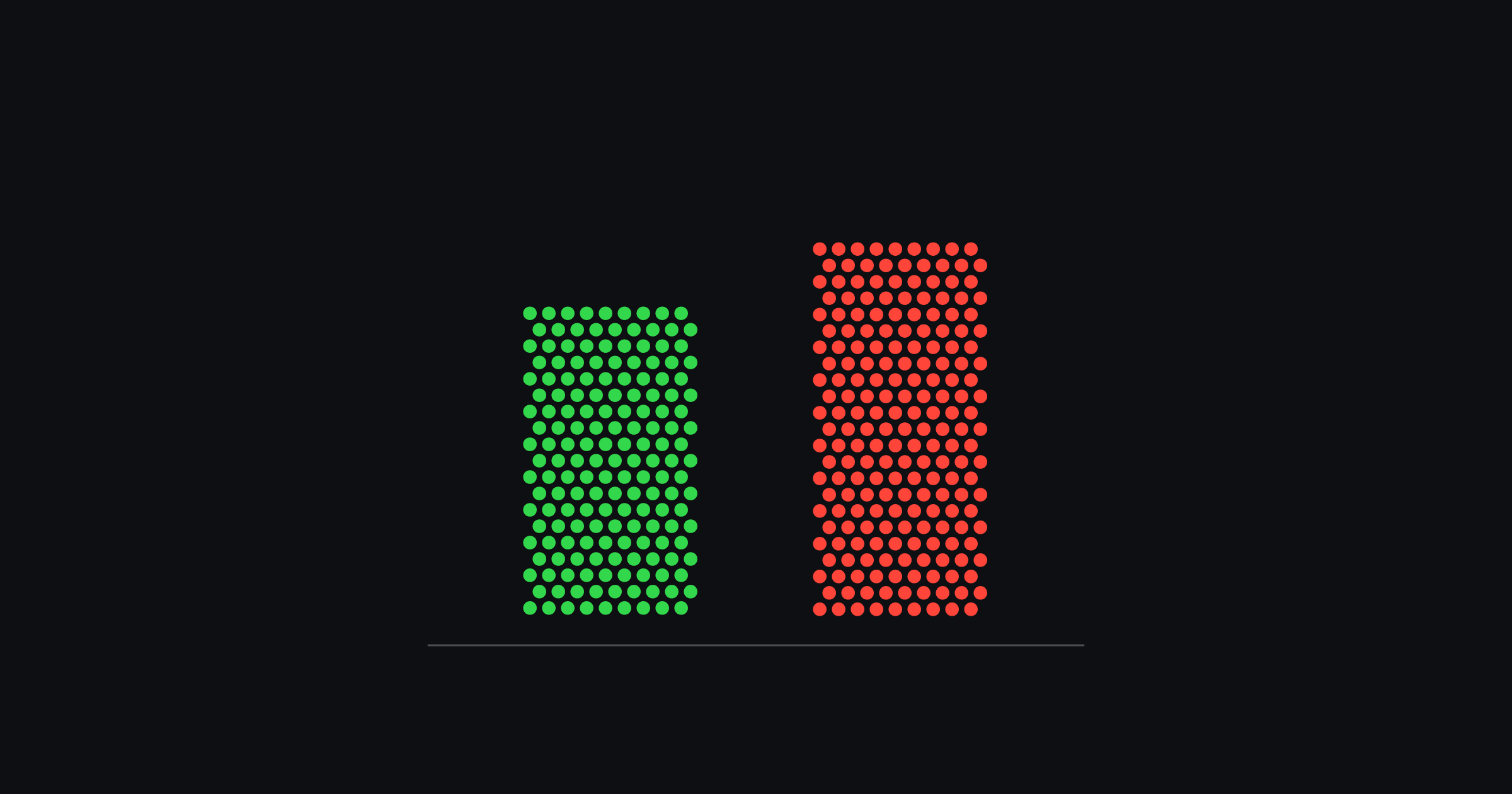
A 2019 analysis read the labels of the 100 top selling pre workouts on one large retail website in 2018 [3]. Citrulline was listed in 71 of them [3]. Caffeine was listed in 86 [3].
That matters because caffeine is on the NCAA banned stimulant list, along with sources such as guarana, green tea extract and yerba mate [1]. For your drug test, caffeine only counts as positive above a set urine limit, as our caffeine guide explains. For what a school may provide, any caffeine rules the product out [1][2]. The list also names other stimulants, such as DMAA and DMHA [1]. Our pre workout guide covers these blends.
So the question is rarely "is citrulline banned?" It is "what else is in this scoop?"
Do citrulline labels match what is inside?
Not always. A 2018 study tested five citrulline malate products sold in the United Kingdom, each labeled as a 2 to 1 ratio of citrulline to malate [7]. Only one measured close to that ratio. The others ranged from about 1.6 to 1 down to 1.1 to 1, meaning less citrulline than the label suggested [7].
That finding is about how much citrulline a product holds, not banned substances. But a label is a claim, not a test result, and the NCAA warns that supplements may contain banned substances not listed on the label [1].
Does citrulline actually help performance?
The evidence points to a small effect at most:
- Strength and power. A 2019 meta-analysis of 12 studies with 198 participants found a small benefit over placebo. Every individual study's confidence interval crossed the line of no effect [5].
- Citrulline malate overall. A 2026 meta-analysis of 30 randomized trials with 644 participants found a small improvement in exercise performance. It rated the certainty of the evidence as low to very low and said reliable dosing, timing and target groups have not been established [6].
- Expert summaries. The ODS says research does not give strong support for taking citrulline or citrulline malate to improve performance [4]. The International Society of Sports Nutrition (ISSN) lists citrulline among performance supplements with limited or mixed evidence [8].
- Safety. The ODS says studies have not adequately assessed citrulline's safety, especially over months of use. In one trial, 6 of 41 participants reported stomach discomfort [4].
We report the evidence, not a dose. Whether citrulline fits your training is a question for a sports dietitian or physician.
Is there an NCAA approved citrulline?
No. There are no NCAA approved nutritional or dietary supplements [1]. The NCAA says third party tested products may be options, but complete elimination of risk is impossible [1].
A product certified by a banned substance testing program is the lower risk choice. Our guides to NSF Certified for Sport, Informed Sport and BSCG Certified Drug Free explain what each program checks. One catch: a certified pre workout still contains the caffeine on its label, and that caffeine still counts toward the NCAA urine limit.
What about high school athletes?
The NFHS Sports Medicine Advisory Committee does not address citrulline by name [9]. It lists amino acids, along with protein powders, as legal and not banned for competition, and it notes that foods supply amino acids for much less cost [9]. It says athletes should discuss their use with a knowledgeable health care provider, and that purity and contamination must be considered [9]. Your state association and school set the actual rules.
Checklist before you use a citrulline product
- Scan it in Varsity Stack first. Check the barcode or label against our certification database before you buy.
- Ask your athletics staff. The NCAA makes checking with them your responsibility [1].
- Read past the citrulline. Look for caffeine, guarana, green tea extract, yerba mate and any stimulant you do not recognize [1].
- Check the form on the label. Citrulline and citrulline malate are not the same amount of citrulline [4].
- Send anything unfamiliar to your staff. They can ask Drug Free Sport AXIS, the only label review service the NCAA subscribes to [1].
For every banned class in one place, see our NCAA banned substances guide.
Check a citrulline product with Varsity Stack
The fastest way to check a citrulline product is the free Varsity Stack app. Scan the barcode or snap a photo of the label, and Varsity Stack checks it against our certification database before you buy. Then log it with the rest of your stack, so you and your staff always know what you are taking.
For coaches, sports dietitians and athletic trainers: the team dashboard shows every athlete's stack, the certification status of each product and its full ingredient panel. Athletes scan what they buy, and staff approve or reject it for the roster, for example a pre workout with citrulline and caffeine. Request access for your program.
Varsity Stack does not laboratory test supplements, and certification lowers risk without removing it.
Varsity Stack does not provide medical, legal or NCAA compliance advice. This article is for educational purposes only. Consult a qualified healthcare provider or registered dietitian before starting any supplement regimen. Check current NCAA legislation and Drug Free Sport AXIS with your compliance staff when reviewing individual products.
Sources
- NCAA, 2026 to 27 NCAA Banned Substances
- NCAA, 2026 to 27 NCAA Division I Manual, Bylaw 16.5.2.7 Nutritional Supplements
- Jagim AR, Harty PS, Camic CL, Common Ingredient Profiles of Multi-Ingredient Pre-Workout Supplements, Nutrients, 2019
- NIH Office of Dietary Supplements, Dietary Supplements for Exercise and Athletic Performance, Health Professional Fact Sheet, Citrulline (updated April 1, 2024)
- Trexler ET and colleagues, Acute Effects of Citrulline Supplementation on High-Intensity Strength and Power Performance: A Systematic Review and Meta-Analysis, Sports Medicine, 2019
- Wang X and colleagues, Effects of Citrulline Malate Supplementation on Exercise Performance: A Systematic Review and Three-Level Meta-Analysis, Nutrients, 2026
- Chappell AJ and colleagues, Citrulline malate supplementation does not improve German Volume Training performance or reduce muscle soreness in moderately trained males and females, Journal of the International Society of Sports Nutrition, 2018
- Kerksick CM and colleagues, ISSN exercise and sports nutrition review update: research and recommendations, Journal of the International Society of Sports Nutrition, 2018
- NFHS Sports Medicine Advisory Committee, Position Statement on Appearance and Performance Enhancing Drugs and Substances (October 2024)